
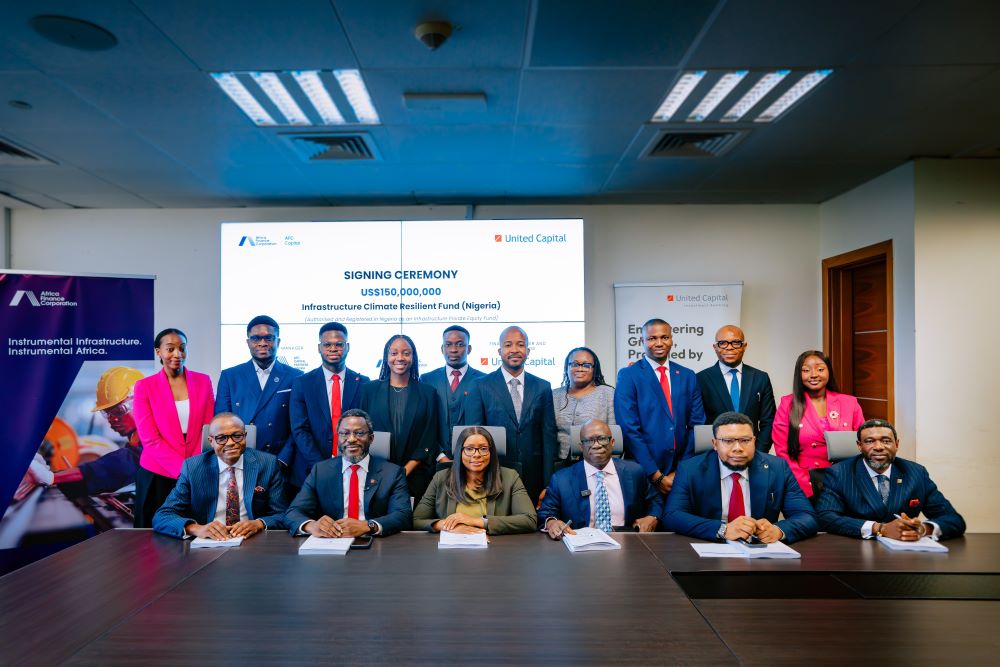
AFC Capital Partners (ACP), the asset management subsidiary of Africa Finance Corporation (AFC), has launched the Infrastructure Climate-Resilient Fund Nigeria (ICRF Nigeria), a Securities and Exchange Commission (SEC)-registered closed-end vehicle. Designed as a dedicated onshore aggregator, the vehicle is structured to channel allocations from domestic pension fund administrators (PFAs), insurers, and institutional asset managers into high-impact, climate-proofed real assets across Nigeria and the broader African continent. ICRF Nigeria serves as a localized feeder for ACP’s flagship parent strategy, the US$750 million pan-African Infrastructure Climate-Resilient Fund (ICRF). The parent vehilde is designed to embed climate adaptation parameters across the entire infrastructure asset lifecycle, and targets a total mobilization of up to US$3.7 billion in financing across a diversified portfolio of 10 to 12 core continental projects.
The Green Climate Fund (GCF) leads the capital stack with a US$253 million first-loss equity tranche, representing its largest single equity investment in Africa to date, alongside dedicated technical assistance facilities for asset-level climate risk assessment and monitoring. The international and regional institutional roster features returning partners, development finance institutions (DFIs), and sovereign allocators including the European Investment Bank (EIB), Development Bank of Southern Africa (DBSA), Cassa Depositi e Prestiti (CDP), the Nigeria Sovereign Investment Authority (NSIA), and regional African pension funds. This multi-tiered de-risking framework lowers barriers for commercial yield-seekers by absorbing initial asset-level default and climate shock exposures.
Africa holds over US$4 trillion in domestic resources across pension, insurance, and sovereign wealth portfolios, yet the vast majority of these reserves remains invested in low-risk, short-term instruments rather than productive infrastructure. Concurrently, infrastructure systems across the continent face increasing exposure to severe and unpredictable climate disruptions. By combining commercial and concessional capital to de-risk adaptation projects, ICRF Nigeria provides domestic institutional allocators a regulated gateway to channel long-term savings into sustainable, high-impact physical assets across the continent.
To bridge the bottleneck between institutional liquidity and project deployment, the platform targets four core sectors, renewable energy, transport and logistics, digital infrastructure, and industrial development, by deploying blended capital to absorb pre-operational risks and standardize deal structures into bankable, climate-resilient assets. Operational mechanics across these verticals integrate climate parameters throughout the asset lifecycle, covering planning, design, construction, and ongoing operations.
Investment selection relies on rigorous screening parameters evaluating physical weather risks, long-term emissions trajectories, and climate governance structures. This framework builds upon AFC’s operational track record, which encompasses over US$20 billion invested across 36 African member countries since 2007.
You may also like
-
AIIB Invests up to USD100 Million in TPG Rise Climate Global South Initiative Fund to Boost Climate Investment in Emerging Markets
-
Nithio Launches FUEL, a USD 150 Million Pan-African E-Mobility Debt Fund
-
The African Local Currency Bond Fund Anchors Angola’s First Sustainability Bond Issuance
-
ALCB Fund Invests in Swami Agri’s Debut Bond, First Agricultural Green Bond in WAEMU
-
Cascador and Sterling Bank Announce $200M SME Credit Backstop Fund, a Catalytic Vehicle to Expand Capital for Growth-Stage Nigerian SMEs